Key Points:
- Track daily weight, swelling, breathing, and sleep to catch heart failure signs early.
- Call your nurse for rapid weight gain, extra pillow use, or new swelling, and call 911 for chest pain, pink sputum, or trouble breathing at rest.
- Act fast to avoid hospital stays and protect heart function.
Shortness of breath that creeps up, shoes that feel tight by evening, or a cough that will not quit can derail a good week. Heart failure symptoms build quietly, then surge when fluid backs up. A clear plan helps you spot problems early and know when to call the nurse, call the doctor, or call 911.
The checklist below turns everyday changes into a simple action plan so you can act fast, avoid crises, and protect your recovery.
 What Counts as “Red-Flag” Symptoms in Heart Failure?
Heart failure makes it harder for the heart to move fluid through the body. Fluid then pools in the lungs and tissues. Small day-to-day shifts point to worsening congestion. Track them the same time each day so you catch trends, not guesses.
Watch for these changes and act:
- Sudden weight gain: Gain of more than 2–3 pounds in 24 hours or 5 pounds in a week suggests fluid buildup and needs a same-day call to your care team.
- Breathing changes: New shortness of breath at rest, breathlessness that wakes you, or needing more pillows signals worsening fluid.
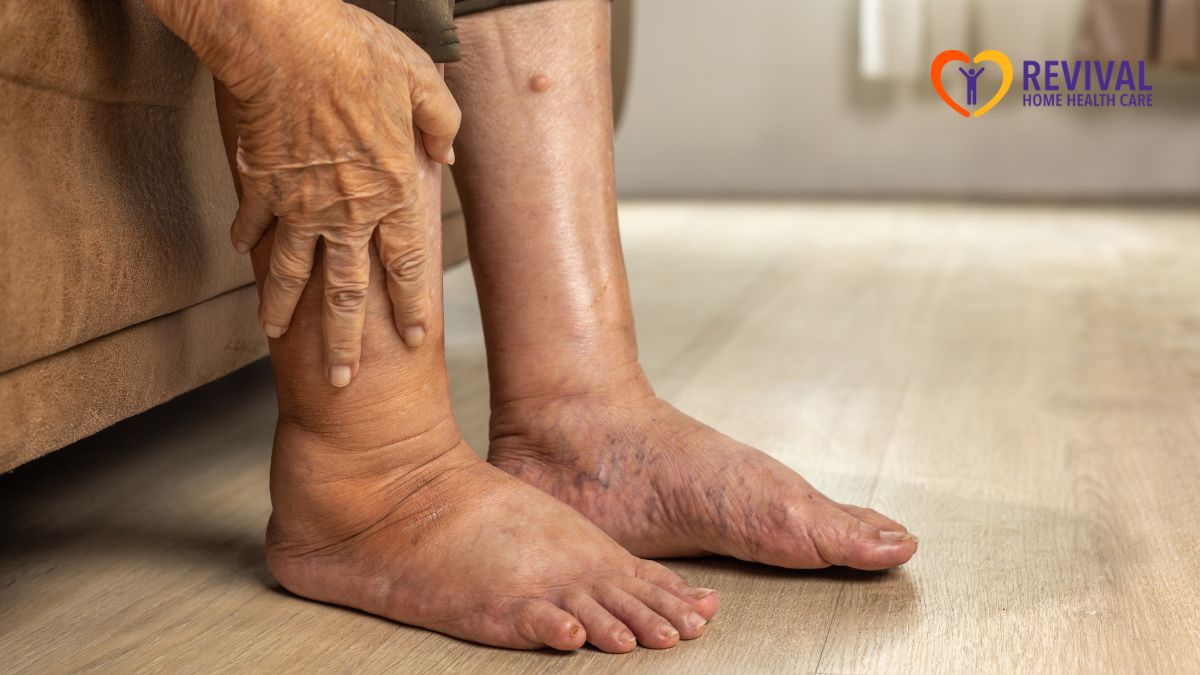
- Swelling that spreads: Ankles, legs, or belly feel tighter by day’s end, or rings and shoes no longer fit.
- Cough or wheeze: Hacking or pink, frothy sputum needs urgent evaluation.
- Fatigue and low energy: A sudden drop in activity tolerance, like needing extra rests for simple tasks.
- Loss of appetite or early fullness: Congestion in the gut can blunt hunger and worsen nutrition.
Why this matters now: Heart failure affects about 6.7 million U.S. adults, so heart failure home care focuses on catching these home warning patterns early to protect many families.
Daily Home Checks: A Simple Color-Zone Plan
Daily routines make it easier to catch heart failure warning signs at home before they escalate. Use a color-zone approach (Green/Yellow/Red) that matches what your nurse likely shared after discharge and what a 30-day intensive recovery program builds into daily check-ins.
Green (All clear):
- Weight stays within your personal baseline.
- No new swelling; you sleep flat without extra pillows.
- You can do usual activities without breathlessness.
Action: Keep meds and low-salt plan. Keep walking plan. Log vitals daily.
Yellow (Caution):
- Weight up 2–3 lb in 24 hours or 5 lb in a week.
- Mild swelling in ankles or belly.
- Need one extra pillow or shortness of breath with usual chores.
Action: Call your home health nurse or clinic today. Ask if you should adjust diuretics, check labs, or schedule a prompt visit.
Red (Danger):
- Struggling to breathe at rest or cannot lie flat.
- Chest pain, fainting, or pink frothy sputum.
- Sudden, fast weight jump plus severe swelling.
Action: Call 911 or go to the ER. Do not wait for a callback. Chest pain can mean a heart attack, which needs immediate care.
Pro tip: Keep your log visible. Write today’s weight, swelling notes, breathing notes, and how many pillows you used overnight. Small notes prevent big misses.
Heart Failure Warning Signs at Home: When to Call the Nurse vs. the Doctor
Families often wonder who to call first. The answer depends on symptom intensity and speed of change. Use this split to decide.
Call the nurse first when:
- Weight rises 2–3 lb in 24 hours or 5 lb in a week without severe breathlessness.
- Mild swelling appears or gets a bit worse.
- You notice a new dry cough or need one more pillow, but you can speak in full sentences.
Why a nurse: In-home nursing care can triage quickly, relay changes to your cardiology team, and fast-track orders for labs or a medication tweak the same day.
Timely follow-up after discharge lowers 30-day readmissions; Medicare data show a 6-percentage-point lower readmission rate with telehealth follow-up compared with no follow-up for heart failure.
Call the doctor’s office same day when:
- Yellow-zone symptoms persist despite nurse-guided steps.
- You need earlier clinic follow-up or lab checks.
- You have questions about diuretic dosing, missed meds, or new side effects.
Call 911 immediately when:
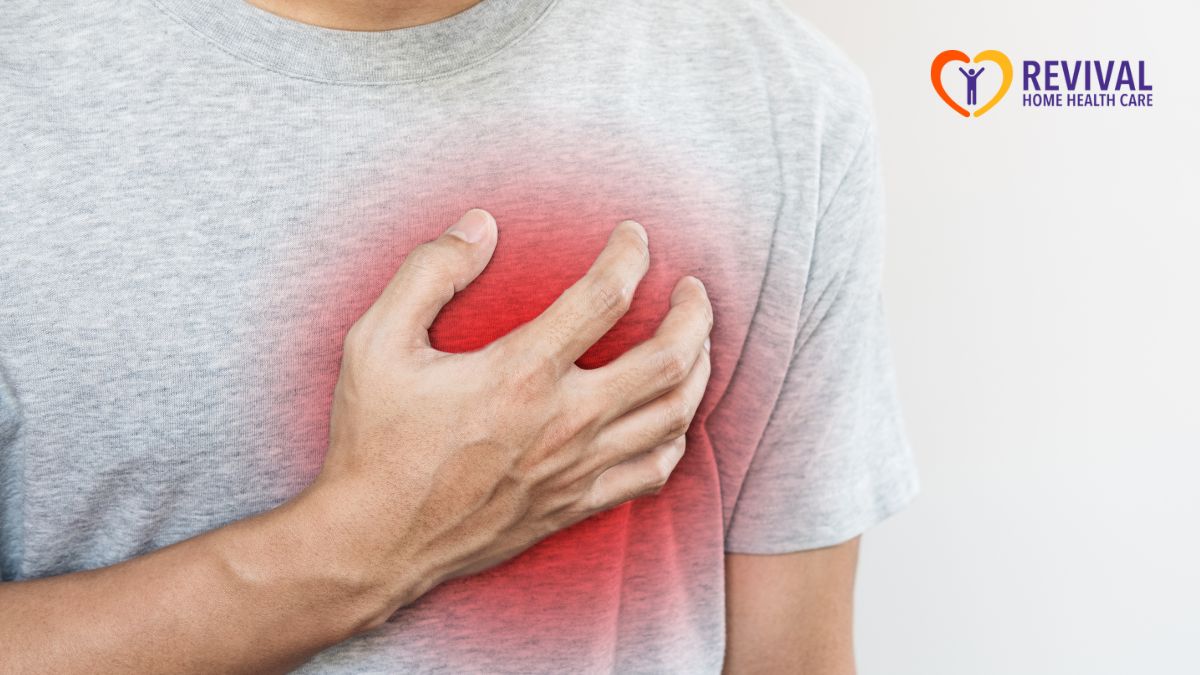
- You have chest pressure, jaw/arm pain, or breaking out in a cold sweat.
- You feel faint, severely short of breath at rest, or cannot speak more than a few words.
- You cough pink, frothy sputum or cannot lie flat at all.
These are heart attack warning signs and symptoms that need emergency care.
Small Daily Choices That Prevent Big Flares
Fluid and salt control reduce swelling. Medicines move fluid out and help the heart work efficiently. Plan the day to keep both on track.
Make these routines standard:
- Weigh every morning: Same scale, after using the bathroom, before breakfast, similar clothes. Log the number. Call on rapid gains.
- Follow your sodium target: Read labels; choose low-sodium swaps. Restaurant meals can exceed a day’s limit in one plate.
- Fluid guidance: Follow individual limits from your clinician, especially if you retain fluid easily.
- Time your diuretic: Take earlier in the day to limit nighttime bathroom trips and sleep disruption.
- Never skip meds: ACEi/ARB/ARNI, beta-blocker, MRA, SGLT2 inhibitor, and diuretics form the usual backbone of therapy; do not change dosing without guidance.
Why steady routines pay off: Heart failure has a high risk of rehospitalization. National data show 30-day readmission rates around 19–22%, depending on payer, and targeted follow-up helps keep you out of the hospital.
 Practical Ways to Keep Symptoms Stable
Breathlessness and poor sleep are early clues that fluid is creeping up. Small shifts in position, pacing, and daily movement protect your lungs and energy. Home health aide support can also reinforce these routines between nurse visits.
Try these home adjustments:
- Sleep setup: Use the fewest pillows that keep you comfortable; note if you need more than usual.
- Paced activity: Break chores into short sets with seated rests. Stop before you feel “winded.”
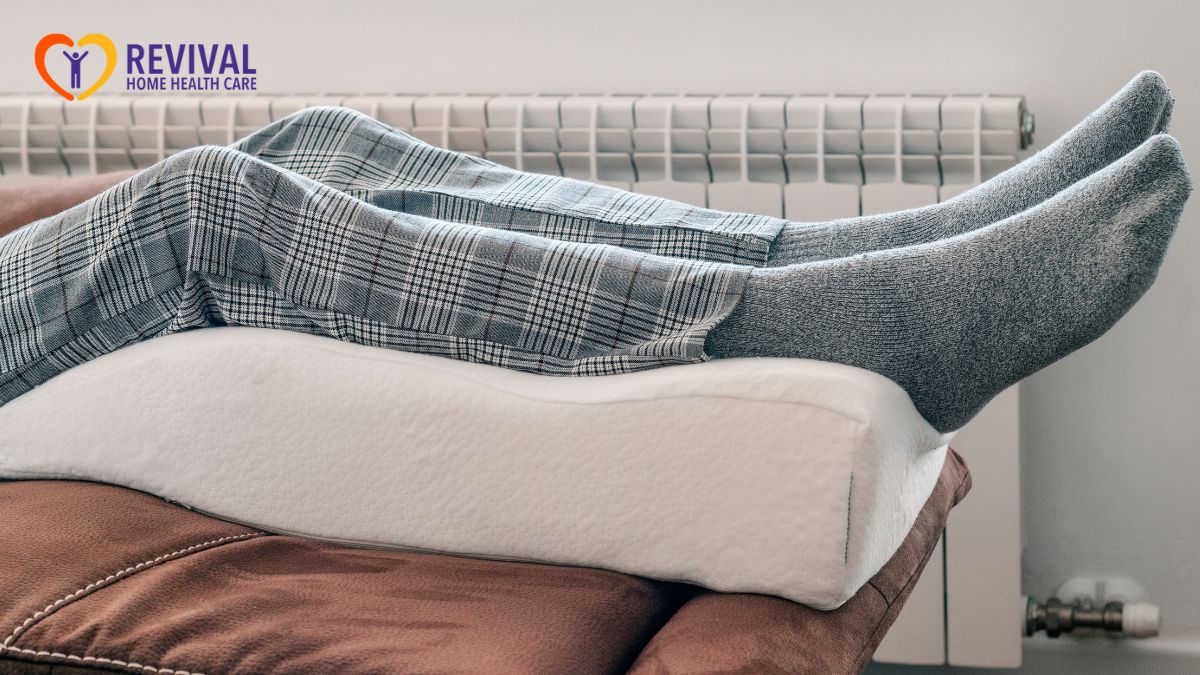
- Leg elevation: Elevate feet when sitting to limit ankle swelling.
- Salt-savvy meal plan: Batch-cook low-sodium soups and stews; freeze single portions to avoid takeout.
When to call from this section:
- You wake breathless more than once a night.
- You need extra pillows for two or more nights.
- You notice swelling moving up to calves or thighs.
These are warning signs of a heart condition getting worse and warrant a same-day nurse call.
Heart Attack vs. Heart Failure Flare
Chest pain with pressure, tightness, or pain spreading to the jaw, neck, or arm points to reduced blood flow to the heart muscle. Heart failure flares focus more on fluid buildup and breathlessness. Either can be dangerous; knowing the immediate step saves time.
Call 911 right away for likely heart attack signs:
- Chest discomfort that lasts more than a few minutes or goes and returns.
- Pain spreading to the arm, back, neck, or jaw.
- Light-headedness, cold sweat, nausea, or sudden weakness.
These are established heart attack warning signs and symptoms that need emergency care, not a call-back.
Call the nurse/doctor for likely heart failure flare:
- Rapid weight gain, new swelling, or a growing cough without crushing chest pain.
- Breathlessness that improves with sitting up but returns when you lie down.
- Fatigue that limits chores more than last week.
When unsure, treat as emergency. If symptoms overlap or feel “different,” call 911.
Why Quick Follow-Up After Discharge Reduces Risk
The first weeks after a hospital stay are fragile. Fluid status shifts, new medicines need timing, and diet habits reset. A simple calendar, early check-ins, and telehealth services help keep you safe.
Build your first-month plan:
- Schedule a visit within 7 days of discharge when possible.
- Bring your weight log and home readings; ask for a target “call threshold.”
- Confirm your action plan for Yellow and Red zones with your nurse.
- Use telehealth check-ins for quick medication adjustments. Studies show heart failure readmissions drop when patients have early follow-up compared with no follow-up.
 Frequently Asked Questions
How do I tell if my heart is struggling?
You can tell that your heart is struggling by observing fast weight gain, leg swelling, early breathlessness, needing extra pillows, or a persistent cough. These signs suggest rising fluid and may signal heart failure. Call your nurse the same day. Call 911 for chest pain, fainting, or severe shortness of breath.
What is the most sensitive indicator of heart failure?
The most sensitive indicator of heart failure is a blood test for natriuretic peptides like BNP or NT-proBNP. High levels signal cardiac strain, while low levels help rule out heart failure. Clinicians interpret results alongside age, kidney function, and weight to confirm diagnosis and guide care.
What is the new marker for heart failure?
The new marker for heart failure is soluble ST2 (sST2), which reflects cardiac stress and inflammation. High sST2 levels predict worse outcomes and complement NT-proBNP for risk assessment. While not a standard test in all clinics, specialists may use it to refine risk in selected heart failure patients.
Get Skilled Home Health Support in New York
Reliable monitoring, medication support, and early symptom checks reduce crises. Access to home health care services in New York brings a nurse to your doorstep for teaching, daily-weight action plans, and fast triage when symptoms change.
Revival Home Health Care provides skilled nursing visits, medication setup, education on sodium and fluids, and close coordination with your cardiology team. Call today to plan your first visit or ask for guidance on next steps. One call sets expectations, aligns your follow-up, and makes your home program clear and doable.

 75 Vanderbilt Ave Staten Island, NY 10304
 info@revivalhhc.org
 718.629.1000