

Key points:
- Pack extra supplies, split them between carry-on and checked bags.
- Carry medical documentation and a travel communications card for security.
- Build a compact carry-on kit for quick, discreet changes on the go.
Traveling with an ostomy takes preparation, but it shouldn’t hold you back. Packing extra pouches, adhesives, wipes, and disposal bags keeps you ready for any situation. Planning restroom stops and carrying supplies in accessible compartments help reduce stress while on the move. A few minutes of organization before a trip can make the entire journey smoother and more confident.
For many people with ostomies, travel feels risky or restrictive at first. With the right plan and support, however, independence and adventure are entirely possible. This article shares practical packing checklists and professional advice for worry-free travel anywhere.
Plan first, pack second: documentation and how much to bring
Good travel outcomes start with two planning rules, bring extra and split supplies between bags. Count how many pouches and supplies you use in a typical day, then double that quantity for a safe buffer, plus a few spares for unexpected delays. Clinicians and patient resources commonly recommend carrying extra supplies in both your carry-on and checked luggage so you are covered if bags are delayed.
You should also carry a brief, signed note from your healthcare professional explaining your need for ostomy supplies, and a travel communications card for airport staff when needed. These documents help maintain privacy and speed security screening if extra checks are required.
The carry-on ostomy kit, compact and complete
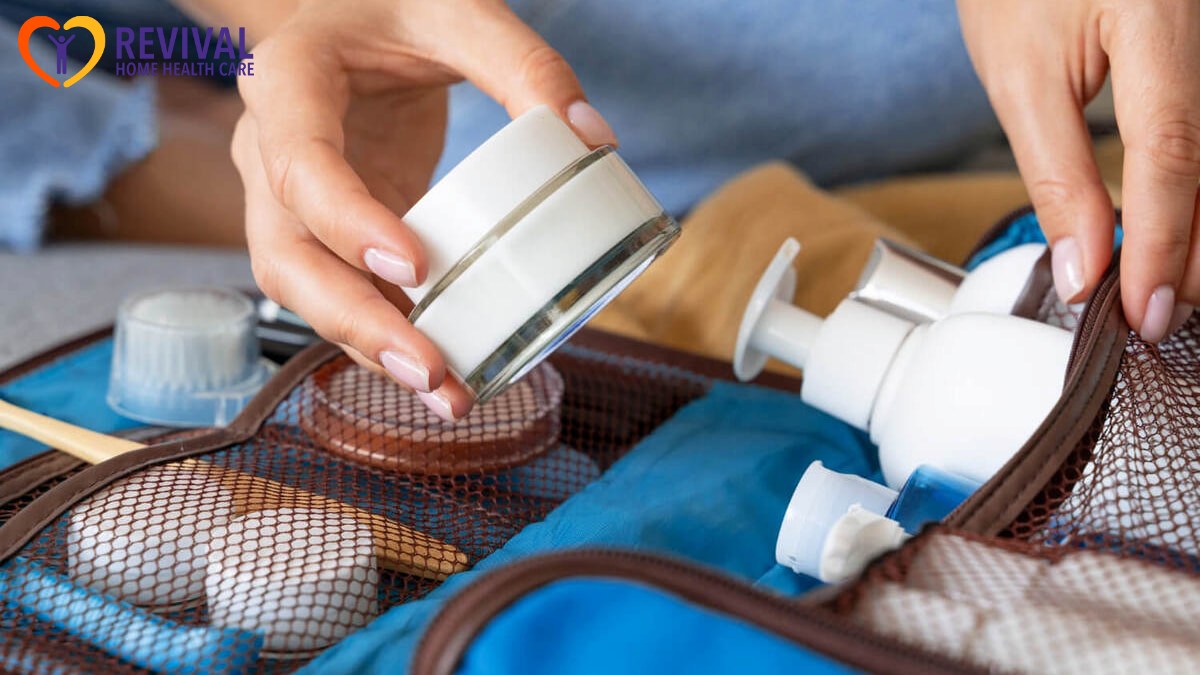
Carry everything you might need for a quick change or emergency on the go in a small, discreet pouch. Pack these items together so you can find them fast.
Essential items to pack in your carry-on kit:
- 3 to 5 ready-to-use pouches or the number you normally change in a day, plus spare barriers.
- Skin barrier wipes or spray, adhesive remover wipes, and protective powder.
- Barrier rings or strips to manage leaks and uneven skin.
- Scissors or disposable pouch cutters, if needed for your system, trimmed to allowed sizes for air travel.
- Disposable gloves, cleansing wipes, and a small pack of toilet paper or wet wipes.
- Plastic disposal bags for used pouches, plus zip bags for storing soiled items.
- A small mirror and a travel-sized towel or washcloth for discreet changes.
- A printed copy of your prescription, a clinician note, and the travel communications card.
Pack pre-cut flanges or pre-cut pouches if you use them, it speeds changes while traveling. For short trips, keep at least three days of supplies in your carry-on to guard against misdirected luggage or delays.
What to put in checked luggage and why
Checked luggage is for extras and bulk items that are useful but not essential in the first 24 to 72 hours. Understanding common mistakes in ostomy care can help you pack more effectively.
Good items for checked bags:
- An additional supply of pouches and barriers, enough for the full trip plus a safety margin.
- Spares of adhesive removers, barrier creams, and skin protectants in original containers when possible.
- Backup scissors, stoma caps, and any specialty adhesives or paste you use.
- An extra change of clothing and a plastic bag for soiled garments.
Keep some supplies in both carry-on and checked bags so if one is lost you still have what you need immediately. Many manufacturers and ostomy associations recommend splitting supplies this way for peace of mind.
Airport security and medical screening, what to expect
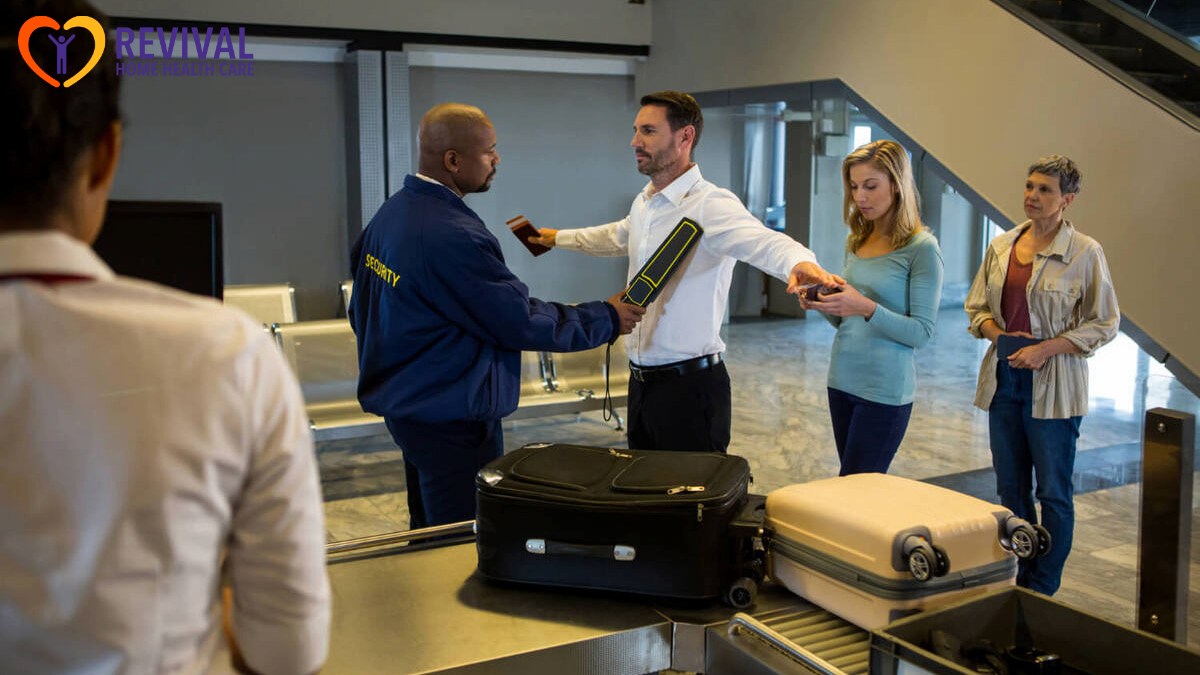
Airport security allows medically necessary supplies beyond the standard liquids rule, but you must declare them at the checkpoint and expect visual or physical screening. Notify the officer about your ostomy supplies and show your travel communications card or doctor note if requested. You can request a private screening and have a companion present for privacy.
Practical steps for smooth screening:
- Place your ostomy kit and medications in an easy-to-reach part of your bag and declare any large liquid products.
- Be ready to show documentation, and ask politely for a private screening if you prefer greater privacy.
- If a physical inspection is required, you may be asked to perform a self-pat down rather than expose your ostomy. Communication and calm help speed the process.
On the plane and in transit, simple habits that help
Long travel days can test adhesive security and skin comfort. These practical habits reduce risk, and many patients find that tips for living comfortably with an ostomy apply equally well to travel situations.
Before departure, empty your pouch when you board and again before long legs of travel. If you have a long flight, changing to a fresh pouch just before boarding gives you the longest worry-free window. Keep hydrated, eat gently, and avoid foods known to increase output the day before and during travel if you are prone to higher volumes.
If you sense redness or irritation, discreetly use barrier wipes and consider applying a barrier ring to protect the skin until you can change properly on the ground. Keep an odor neutralizer or small air freshener in your kit for confidence during use of shared restrooms.
Swimming and activity: what to bring
If your travel plans include swimming or active days, take simple precautions. Empty the pouch before swimming and make sure the pouching system is secure. For extra security, use a stoma cap or an adhesive cap when appropriate. Waterproof covers or snug swimwear can increase confidence and comfort. Manufacturer travel guides with an ostomy offer specific tips for swimming and sports, so check guidance for the product you use.
Troubleshooting leaks, blockages, and skin problems
Even with planning, things can go wrong. Keep a small emergency supplies packet for quick fixes. Following proper nutrition tips for ostomy patients can help minimize digestive issues while traveling.
Quick fixes to include:
- Extra barrier rings and a small tube of adhesive paste for sealing edges.
- Adhesive remover wipes for safe removal without trauma.
- Sterile saline wipes or gentle cleansing wipes to clean irritated skin.
- Emergency contact information for your ostomy nurse or home care clinician.
If you suspect a blockage, severe pain, fever, or prolonged bleeding, seek medical care promptly. For nonemergency leaks or skin irritation, change the pouch and address the skin with protective products, then follow up with your care team for adjustments. Professional in-home nursing care can provide ongoing support and education for managing these situations. Trusted clinical sources stress that blocking symptoms need timely evaluation.
Finding supplies at your destination
Before you travel, identify pharmacies, medical supply stores, or ostomy product representatives at your destination. Many manufacturers have worldwide distributors and patient support pages listing local suppliers, and major chain pharmacies may be able to help with basic items.
If you expect to be away for a long time, consider shipping extra supplies ahead to your hotel or a trusted local address. Manufacturer travel kits and downloadable checklists can also point you to common product names to ask for abroad.
Disposal and public restroom etiquette
Pack small, sealable disposal bags for used pouches and always discard in a sanitary bin when available. If sanitary bins are not present, seal the used pouch in a plastic bag and dispose of it responsibly when you can.
Carrying a spare zip bag reduces stress and keeps changes discreet. Avoid flushing pouches down toilets. Many travel guides recommend small, scent-proof disposal bags for sanitation and discretion.
Temperature, storage, and product care
Heat and humidity can impact adhesives. Store unopened supplies out of direct sunlight and avoid leaving them in hot cars. Carry opened pouches and adhesives in a cool part of your luggage if possible.
If you travel to very hot climates, keep a small cooling pack in checked luggage for long trips to preserve adhesive integrity. Manufacturer instructions provide storage guidance for specific products. Many patients who work with home health aides learn valuable storage and handling tips that apply during travel.
A concise pre-trip checklist
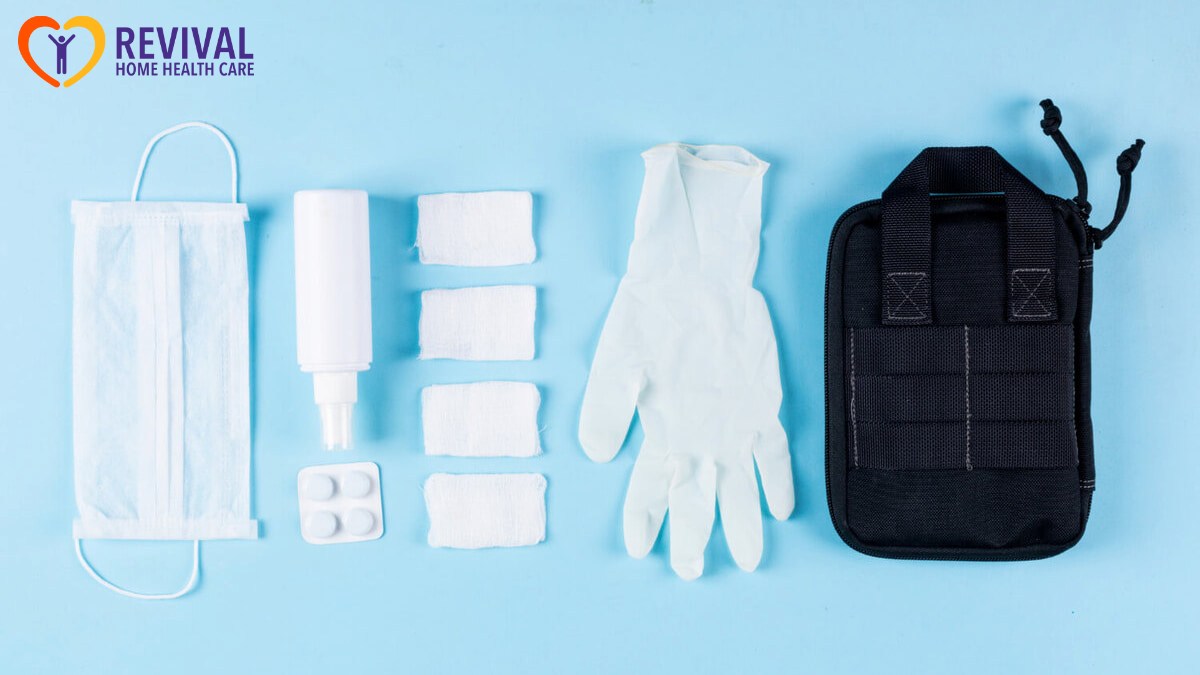
- Carry-on kit with 3+ days of essentials, gloves, mirror, disposal bags, adhesive tools.
- Checked bag with bulk supplies for the entire trip plus a safety margin.
- Printed prescription, clinician note, and travel communications card.
- Pre-cut flanges or pouches if used, and adhesive remover.
- Identify local suppliers and save their contacts.
- Pack light, comfortable clothes and spare underwear in your carry-on.
- Plan meals to avoid high-output foods the day before long travel days.
FAQs
How much ostomy supply should I pack for a one-week trip?
Bring at least double your normal weekly use, plus three days of supplies in carry-on. That protects you from delays or lost luggage.
Can I bring adhesive remover and creams through airport security?
Yes, medically necessary creams and liquids are allowed in reasonable quantities, but declare them at screening. Carry documentation for faster processing.
What if I run out of supplies while away?
Contact local pharmacies, ostomy product distributors, or manufacturer support for local suppliers. You can also ask your clinician to ship emergency supplies to your location.
Regain Confidence With Expert Ostomy Care At Home
Ongoing support makes every journey, near or far, more comfortable. Revival Home Health Care offers in-home ostomy management, ensuring supplies are used correctly and skin stays healthy.
Our nurses teach best practices, monitor healing, and guide patients on maintaining comfort during travel or daily activities. With compassionate assistance, life after surgery becomes easier to manage.
Call us today to learn how specialized ostomy care can help you travel freely and live confidently at home.

 75 Vanderbilt Ave Staten Island, NY 10304
 info@revivalhhc.org
 718.629.1000